Is ube a real superfood or just a trendy root?
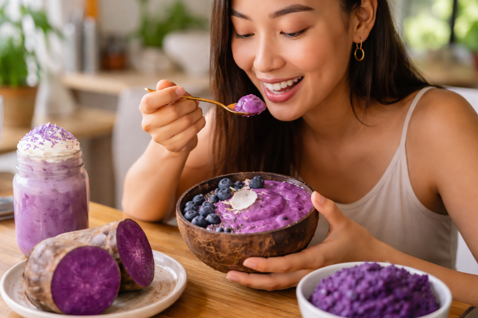
It’s hard to ignore the purple wave taking over Instagram feeds and health food blogs and at the center of it is ube. This vibrant root crop, deeply rooted in Filipino culinary tradition, has made its way into mainstream American kitchens. But beyond its eye-catching color and unique sweetness lies a more serious question: can ube be considered a superfood? This article dives deep into the nutritional profile, origin, culinary versatility, and the reasons why wellness enthusiasts are embracing ube more than ever. If you’re wondering whether this tuber is worth the hype, the answers may surprise you.
What exactly is ube and why is it gaining popularity?
Ube (pronounced “oo-beh”) is a purple yam native to the Philippines, often confused with taro or purple sweet potatoes. Unlike its cousins, ube has a smoother, creamier texture and a naturally sweet, vanilla-like flavor that has earned it a cult following in desserts like ube halaya, cakes, and ice cream. Today, ube isn’t just popping up in traditional Filipino treats. It’s now a feature in trendy food trucks, wellness recipes, and even ube lattes. Its rise isn’t just due to aesthetics though its deep violet hue definitely turns heads but because of what lies beneath its skin. What makes it stand out in a crowded field of root vegetables? That answer lies in the soil, the culture, and the surprising nutritional composition it offers.
Does ube really have the nutritional power of a superfood?
Superfood is a term often used loosely, but to truly earn that badge, a food should pack dense nutrients, offer antioxidant properties, and contribute positively to well-being. So, how does ube compare? On a nutritional level, ube is rich in complex carbohydrates, dietary fiber, and key vitamins and minerals:
- Vitamin C (for immune support and collagen production)
- Potassium (to support heart and muscle function)
- Anthocyanins (powerful antioxidants that give it its color)
- Iron and calcium (for blood and bone health)
Compared to white potatoes, ube has more antioxidants due to its intense pigmentation. Anthocyanins, also found in blueberries and red cabbage, play a role in reducing oxidative stress and cellular inflammation.
How do these nutrients work in the body?
Each bite of ube delivers more than just comfort food vibes. The fiber content supports digestion and stabilizes blood sugar. The potassium helps regulate fluid balance and nerve signaling. And anthocyanins? They fight free radicals that contribute to aging and disease. In this way, ube nutrition facts align with those of other recognized superfoods. Still, the real test lies in consistency adding it to your diet in whole or minimally processed forms, not just in ice cream or donuts.
Is ube a good option for people on specific diets?
More than ever, Americans are following lifestyle diets keto, paleo, plant-based and asking whether traditional foods like ube can fit in. From a macronutrient perspective, ube is not low-carb. It contains about 27g of carbs per 100g cooked portion. That places it outside keto territory unless used sparingly. However, for most diets especially vegan and whole food-based plans it’s an excellent addition.
Is ube good for weight loss or sugar control?
Ube is naturally sweet but has a relatively low glycaemic index compared to processed sweets. Its complex carbs digest more slowly, offering longer-lasting energy without dramatic sugar spikes. This makes it appealing to those watching their weight or aiming for blood sugar balance. When consumed in its steamed, mashed, or roasted form not just in ube cheesecake it’s a wholesome, energizing food with real staying power.
How can you use ube in everyday meals?
If the only ube dish you’ve seen is a cake, you’re in for a treat. Ube’s culinary potential spans far beyond desserts. From breakfast bowls to savoury sides, here’s how you can cook with this vibrant root:
- ube pancakes
- mashed ube with garlic and herbs
- ube smoothie bowls
- ube energy balls
- ube hummus
Cooking with fresh ube requires boiling or steaming it first, then mashing or blending. You can also buy it as frozen puree, powder, or extract depending on your recipe needs. Whether you’re preparing ube dessert ideas for the weekend or seeking a plant-based post-workout snack, its adaptability is a major plus.
See also: Pathways To Emotional Healing
What makes ube different from purple sweet potatoes?
A common question is whether ube and purple sweet potatoes are the same thing. They’re not. Ube is a yam (Dioscorea alata), while purple sweet potatoes belong to the Ipomoea family. While both are purple and slightly sweet, ube’s flavor is more floral and nutty. Its flesh also tends to be smoother and more vibrant once cooked.
Which is better nutritionally?
Both have their place in a balanced diet, but ube’s higher levels of anthocyanins and distinct profile give it an edge for antioxidant impact. Plus, its unique taste makes it a standout ingredient in everything from traditional ube halaya to modern wellness bowls.
Is ube just a trend or here to stay?
The boom in popularity isn’t just about color. Ube taps into deeper trends: cultural exploration, plant-based nutrition, and functional foods that nourish beyond the plate. As more people seek out where to buy ube in USA, it’s clear the demand isn’t fading. And with suppliers like Organic Ube offering accessible options, this root is carving out a long-term place in modern diets.
The final word on ube and its superfood status
Ube may not have superhero powers, but it sure brings some serious strength to the table. Its nutrient-dense profile, cultural roots, and culinary adaptability make it more than just a trendy vegetable. For anyone looking to eat more mindfully and colourfully ube offers a sweet, satisfying step in that direction. Have you tried cooking with ube? What’s your favorite way to enjoy it?