Choosing Reliable Water Heaters for Today’s Homes
Hot water is a daily necessity, making water heaters a cornerstone of modern home comfort. From showering to cooking and cleaning, reliable access to hot water enhances convenience by meeting the needs of households of all sizes. Whether you’re upgrading an old system or installing a new one, understanding your options is crucial for long-term performance and savings. If you live locally and need fast solutions, water heater repair in Atlanta, GA is a trusted resource for prompt, professional service.
Modern water heaters aren’t just about instant hot water—they play a critical role in your home’s overall efficiency and energy consumption. Choosing the right system can mean the difference between spiraling utility bills and manageable expenses. With numerous options available, ranging from traditional tanks to advanced smart systems, finding a solution tailored to your family’s needs has never been easier.
Choosing the right water heater can also contribute to your home’s property value and reduce environmental impact. For those considering renewable energy, integrating advanced or green technologies can offer both immediate and long-term returns.
Types of Water Heaters
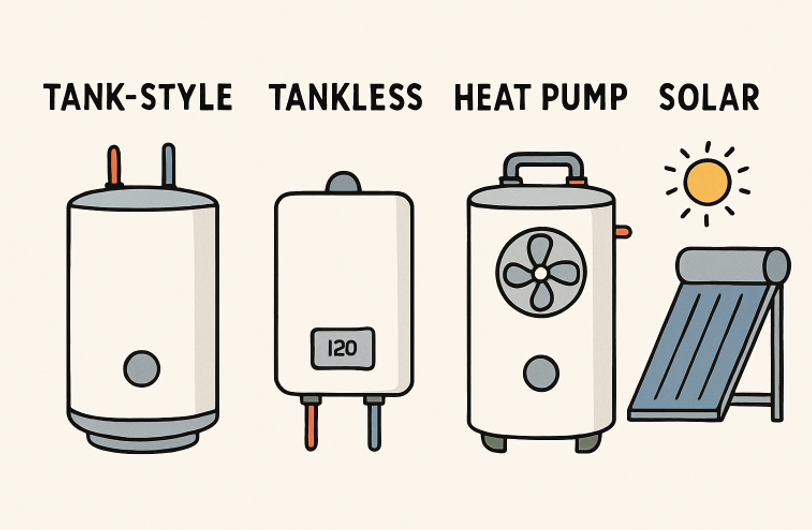
Your household’s water consumption habits play a significant role in choosing the best water heater. Below, you’ll learn about the different types, each with distinct strengths:
- Storage Tank Water Heaters: The most common type, these units continuously heat water stored in a tank. While budget-friendly and familiar, they consume energy even when not in active use, leading to higher standby losses.
- Tankless (On-Demand) Water Heaters: Heating water only when needed, these units save energy by avoiding standby heat loss. They’re practical for smaller households or those with unpredictable usage patterns, although initial installation costs may be higher.
- Heat Pump Water Heaters: By drawing warmth from the air, these systems are up to three times more energy-efficient than conventional electric water heaters, especially in moderate to warm climates.
- Solar Water Heaters: Using sunlight for water heating, solar units slash energy bills and carbon footprints, with the highest returns in sunny regions. Backup power is typically required on cloudy days or during periods of high demand.
Energy Efficiency Considerations
Water heaters can be among the biggest energy users in a home. The Uniform Energy Factor (UEF) is a crucial metric that indicates a model’s efficiency—a higher UEF reflects more efficient performance. For example, some tankless heaters reach a remarkable 0.98 UEF, converting nearly all energy into water heating. ENERGY STAR–certified models go even further, exceeding federal standards and qualifying for additional utility rebates in many areas.
Capacity and Sizing
Proper sizing of water heaters is essential for efficiency and energy savings. For tank heaters, smaller tanks (2-5 gallons) are suitable for single appliances or remote areas, while larger tanks (40+ gallons) cater to medium to large families. In tankless models, the crucial metric is gallons per minute (GPM), with most homes requiring at least 4+ GPM for simultaneous use. To calculate needs, sum the flow rates of concurrently used appliances and determine the temperature rise required to reach a typical output of 120°F, ensuring the chosen unit can effectively manage these demands.
Installation and Maintenance
Correct installation is critical for safety and long-term performance. Always hire a licensed professional for installation, particularly when dealing with gas, electricity, or venting requirements. Regular maintenance keeps your investment in good shape: flush the tank every few months (for traditional heaters), check for leaks, and inspect safety valves annually. Tank systems also need periodic anode rod checks to prevent tank corrosion and extend the heater’s lifespan. Scheduling professional HIU Service ensures that all components are inspected, calibrated, and functioning efficiently. Keeping up with routine maintenance helps you avoid emergencies and sustain optimal efficiency.
See also: Common Chimney Issues Homeowners Should Know
Advanced Features and Technologies
The latest water heaters are equipped with innovative features designed to enhance efficiency and durability. They offer smart controls that allow remote monitoring and adjustment, scheduling of heating, and usage pattern detection, catering to tech-savvy households and rental properties. Additionally, these heaters are constructed with durable components such as corrosion-resistant tanks and advanced anode rods, which extend their lifespan and reduce repair costs. Safety is improved through built-in sensors that detect leaks and abnormal pressure, providing alerts to prevent water damage and ensure household safety.
Cost Analysis and Incentives
Budgeting for a new water heater involves more than just the equipment price. While tankless and smart models can have higher initial costs, their energy savings often offset the difference over time. Advanced systems may also increase your home’s value and appeal to future buyers. Financial incentives help reduce upfront expenses: as of now, a federal tax credit offers up to $2,000 back for installing a qualifying heat pump water heater. Rebates from local utility companies and regional programs can further cut installation costs. Ensure you verify the eligibility requirements and take advantage of these programs before they expire.
Conclusion
Choosing a reliable water heater is about more than hot showers; it’s about maximizing comfort, meeting your home’s unique needs, and managing long-term costs. Evaluating types, capacity, installation, efficiency, and smart technology ensures your investment pays off. By staying informed and performing routine maintenance, you can enjoy reliable hot water and lasting savings for years to come.