When to Stop Tennis Court Repairs and Choose Tennis Court Resurfacing
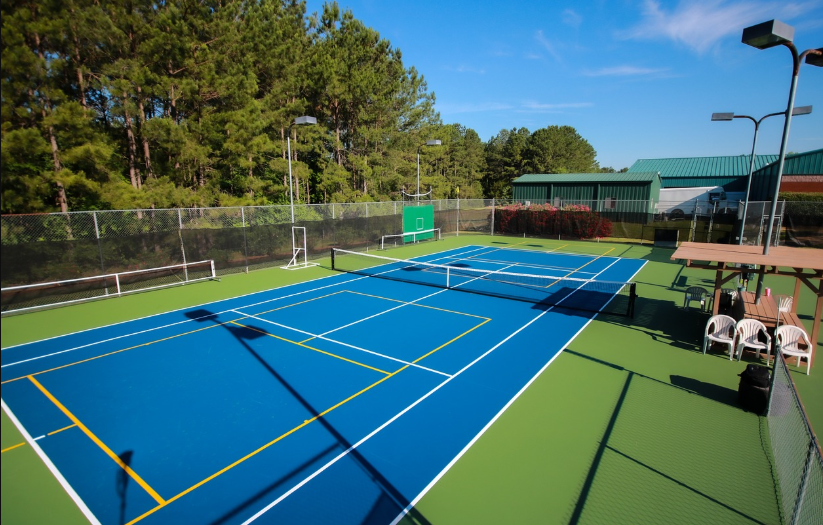
Tennis courts are long-term assets, but even well-built courts show signs of wear over time. Cracks, faded lines, drainage issues, and inconsistent ball bounce often start as minor problems that seem easy to fix. However, there comes a point when ongoing repairs stop being cost-effective and tennis court resurfacing becomes the smarter solution.
Understanding when to move from repeated repairs to full resurfacing can help facility owners protect performance, reduce long-term costs, and extend the life of their courts.
Understanding the Difference Between Repair and Resurfacing
Tennis court repair typically addresses isolated issues such as small cracks, low spots, or localized surface damage. These fixes are useful when problems are minimal and structural integrity is still strong.
Tennis court resurfacing, on the other hand, involves applying new surface systems or coatings over the existing court to restore playability, improve appearance, and correct widespread wear. It’s a comprehensive solution designed to reset performance rather than patch symptoms.
Signs Repairs Are No Longer Enough
Knowing when repairs have reached their limit is critical. Here are common indicators that resurfacing should be considered instead.
1. Cracks Keep Reappearing
If cracks return shortly after being patched, it often indicates deeper structural movement. Repeated crack repairs without resurfacing usually lead to ongoing maintenance cycles with diminishing results.
2. Widespread Surface Wear
Faded coatings, worn textures, and uneven ball response across large areas of the court suggest that surface layers have reached the end of their lifespan.
3. Poor Drainage and Water Pooling
Standing water after rainfall can accelerate surface deterioration and create safety hazards. When drainage issues affect the entire court, resurfacing is typically more effective than spot repairs.
4. Inconsistent Play and Safety Concerns
Uneven traction, dead spots, or slick areas increase injury risk and negatively impact player experience. At this stage, tennis court repair and resurfacing should be evaluated together to determine the best long-term fix.
Experienced professionals like Pine State Courts help facility owners assess whether resurfacing will resolve these issues more effectively than continued repairs.
How Often Tennis Court Resurfacing Is Needed
Most tennis courts require resurfacing every 4-8 years, depending on usage, climate, and maintenance history. High-traffic facilities or courts exposed to harsh weather conditions may require resurfacing more frequently.
Following best practices outlined in a comprehensive guide on tennis court resurfacing can help owners plan resurfacing cycles proactively instead of reacting to major surface failures.
See also: Can you get Sportsnet on Samsung TV?
Choosing the Right Tennis Court Resurfacing Materials
Selecting appropriate tennis court resurfacing materials plays a major role in long-term performance. Acrylic coating systems are among the most commonly used materials due to their durability, cost-effectiveness, and consistent play characteristics.
Material selection should account for:
- Climate and temperature fluctuations
- Frequency and level of play
- Desired ball speed and cushioning
- Maintenance expectations
Working with a qualified tennis court designer ensures materials are chosen based on site conditions and player needs rather than short-term cost savings.
Why Resurfacing Is Often More Cost-Effective Than Repairs
While resurfacing has a higher upfront cost than individual repairs, it often delivers better value over time. Continuous repairs can add up quickly while still leaving underlying surface problems unresolved.
A properly resurfaced court:
- Restores consistent ball bounce
- Improves player safety
- Enhances visual appeal
- Extends the court’s usable life
Specialists like Pine State Courts focus on resurfacing solutions that balance performance, durability, and long-term maintenance efficiency.
Planning Resurfacing as Part of Long-Term Court Care
Resurfacing should be viewed as part of a long-term court management strategy, not a last resort. Incorporating resurfacing into maintenance planning allows facility owners to budget effectively and avoid unexpected downtime.
Organizations that manage multiple courts such as schools, clubs, and municipalities often partner with experienced providers like Pine State Courts to coordinate resurfacing schedules and ensure consistent court quality across locations.
You can also explore professional tennis court solutions to understand how resurfacing fits into broader court design and maintenance strategies.
Final Thoughts
Minor repairs are a natural part of tennis court upkeep, but they’re not a permanent solution. When surface issues become widespread, recurring, or start affecting play quality and safety, tennis court resurfacing is usually the smarter investment.
By recognizing the warning signs early, choosing the right resurfacing materials, and working with experienced professionals, facility owners can restore court performance while extending the life of their investment.
If you’re facing frequent repairs or declining court conditions, it may be time to stop patching and start planning for resurfacing that delivers long-term value.