Seasonal Plumbing Checklist Every Homeowner Should Follow
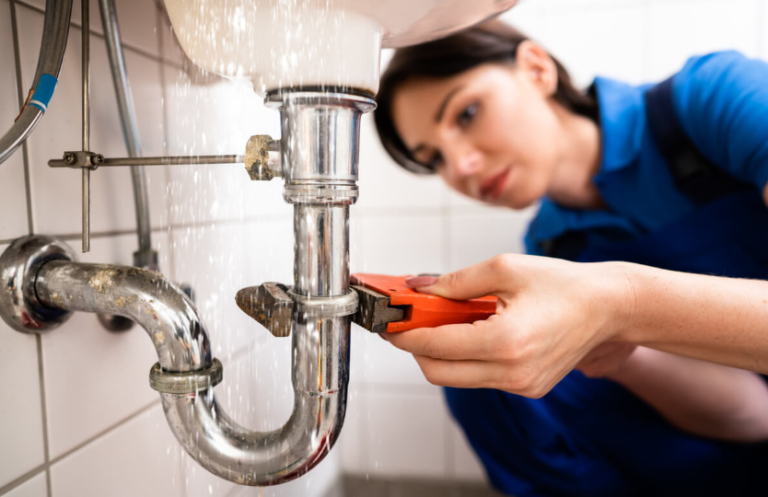
Caring for your home’s plumbing system is vital to prevent unexpected damage, reduce water waste, and keep monthly utility costs manageable. Plumbing issues can escalate quickly, and neglected maintenance can turn small inconveniences into major, expensive repairs. Adopting a seasonal strategy makes sense, since each season brings unique weather threats and shifts in water-use patterns. For example, plumbing systems are subject to significant stress during harsh winters and heavy storms, so targeted maintenance during these periods is essential. With a few targeted habits and regular maintenance, homeowners can enjoy peace of mind and avoid costly plumbing emergencies. If you live in regions where sudden storms or hard winters are common, services like hydrojetting and sewer repair in Salt Lake City become essential for preventing major issues. Keeping your plumbing well-maintained also helps your household run smoothly throughout the entire year.
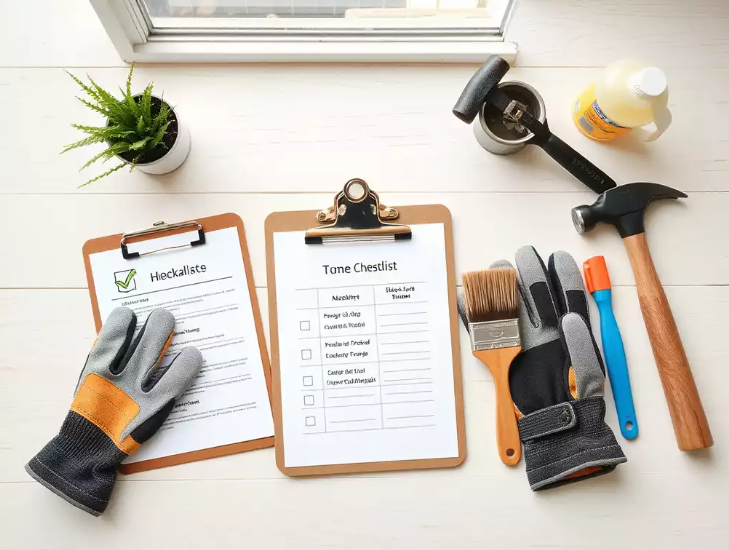
Thorough inspection and preventive care will help you tackle potential problems before they get out of hand, extending the lifespan of your plumbing system. Routine upkeep also means greater water efficiency, which benefits both your wallet and the environment. Not only can leaks waste thousands of gallons annually, but faulty fixtures may also drive up water bills without homeowners realizing it. Whether you are prepping for freezing temperatures or the heavy water use of summer, following a year-round maintenance checklist is your best defense against headaches like burst pipes or flooding. Regular and thoughtful maintenance is also a simple way to protect your property value, avoid sudden disruptions, and meet insurance requirements, which increasingly require homeowners to provide evidence of preventive action.
Spring: Post-Winter Recovery
- Inspect for Leaks: Examine all visible pipes, faucets, and hose bibs for cracks or leaks caused by freezing or expanding water during winter. Even small leaks can escalate quickly into more serious problems by summer. Also, check underneath sinks and in basements for any signs of water stains, dampness, or mold growth.
- Test Sump Pump: Make sure your sump pump activates and discharges water properly by pouring water into the pit. Spring storms and snowmelt can put extra stress on these systems, so early testing is critical. Clean around the sump pit and ensure the discharge pipe is free of blockages.
- Clean Gutters and Downspouts: Remove accumulated leaves and debris to ensure that melting snow or spring rainwater is safely diverted away from your home’s foundation. Blocked gutters can lead to water backups and foundation problems.
- Flush Water Heater: Sediment builds up in the tank over winter. Flushing your water heater increases energy efficiency and prolongs appliance life. Sediment can cause your water heater to function less efficiently or even fail prematurely, so this seasonal flush is a smart preventative step.
Summer: High Usage Vigilance
- Check Sprinkler Systems: Inspect all sprinkler heads for leaks or clogs, and adjust to avoid watering sidewalks or streets. This ensures efficient garden care and prevents water waste during hot, dry spells. Broken sprinkler heads can cause significant water waste and damage your landscape.
- Monitor Water Pressure: High summer demand can cause pressure fluctuations, which strain pipes. Test faucets regularly to make sure pressure levels are consistent and within safe limits. Too much pressure can lead to leaks and pipe damage, while too little can signal a bigger problem in the supply system.
- Clean Drains: Prevent kitchen, bath, or laundry room clogs by clearing debris and using enzyme-based drain cleaners as needed. Summer activities often mean more food particles, sand, or hair going down your drains, so periodic cleaning keeps everything flowing freely.
- Inspect Washing Machine Hoses: Hot weather and increased laundry loads can weaken hoses. Check for bulges, cracks, or leaks and replace worn hoses promptly. Try to leave space between your machine and the wall to prevent hoses from kinking.
Fall: Pre-Winter Preparation
- Disconnect and Drain Outdoor Hoses: Shut off outdoor water lines, remove hoses, and drain faucets to prevent water inside from freezing and bursting pipes. Consider investing in frost-proof spigots or insulated faucet covers for added protection.
- Insulate Exposed Pipes: Cover vulnerable pipes in basements, crawl spaces, attics, and garages with insulation sleeves. This reduces the risk of winter freeze and costly repairs. Pay extra attention to pipes running along exterior walls, as these are most susceptible to cold air drafts.
- Service Water Heater: Schedule professional maintenance to ensure your water heater can handle increased hot-water use during the upcoming colder months. Routine inspection can help identify minor issues before they become emergencies.
- Check for Leaks: Inspect all visible pipes, joints, and connections for slow leaks or drips that could worsen when temperatures drop. Address these issues before winter sets in to avoid potential flooding and water damage.
See also: Common Chimney Issues Homeowners Should Know
Winter: Freeze Prevention
- Keep Heat Consistent: Set your thermostat to a constant temperature, even when away, to prevent pipes from freezing. Sudden temperature drops often catch homeowners off guard, so avoid turning the heat off entirely while away during winter.
- Allow Faucets to Drip: During extreme cold, let interior faucets drip slightly. This keeps water moving and reduces the risk of freezing. Focus on faucets located near exterior walls or in unheated parts of the house.
- Monitor for Frozen Pipes: Watch for symptoms like reduced water flow from taps. Quick action can prevent pipes from bursting, which is among the costliest winter plumbing damages. Should you suspect a frozen pipe, use gentle heat, not an open flame, to thaw it.
- Check for Leaks in Unused Areas: Inspect crawl spaces, basements, and other seldom-visited spots for leaks. Early detection can prevent significant long-term damage and protect your investment in the home.
By sticking to this seasonal plumbing checklist, homeowners can save thousands in potential repairs, conserve resources, and ensure their home’s systems remain reliable year-round. Preventive maintenance is a smart investment that pays dividends over the life of your home.
Final Thoughts
Staying proactive with seasonal plumbing maintenance is one of the smartest ways to protect your home year-round. By addressing small issues early and preparing for changing weather conditions, you can avoid emergencies, reduce expenses, and ensure your plumbing system operates efficiently. A consistent maintenance routine not only safeguards your property but also provides lasting peace of mind.